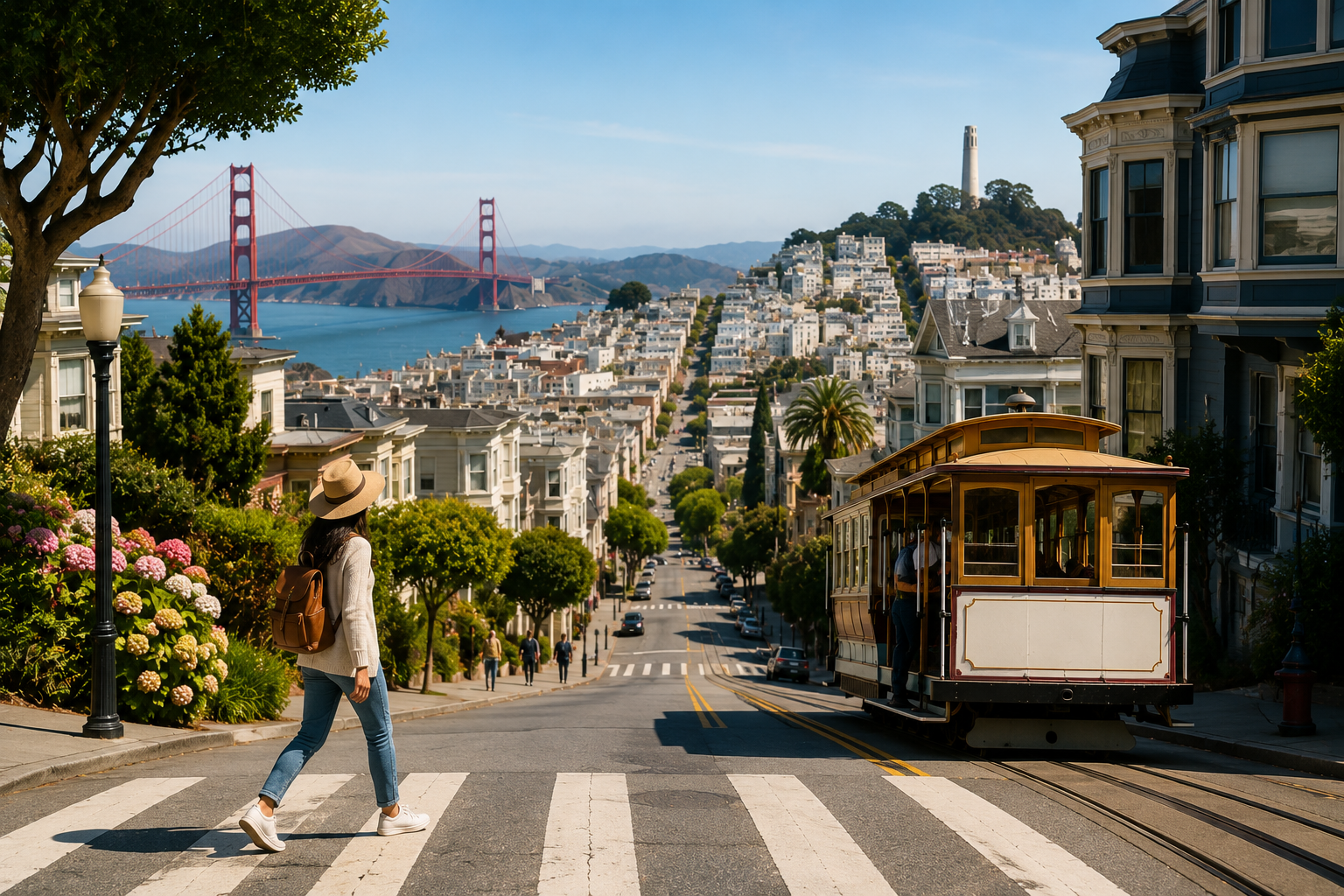
Why San Francisco Is One of America’s Most Walkable Cities
Some cities are built for cars. San Francisco is built for feet. Compact, dense, and packed with distinct neighborhoods that bump right up against each other, it rewards travelers who slow down and explore on foot. Walking around San Francisco is not just a way to save money on transportation options. It is genuinely the best way to understand how the city fits together.
That surprises a lot of people, especially those who arrive picturing brutal hills and endless fog. Yes, the hills are real. But the payoff is a city where a single afternoon on foot can carry you through Italian cafes, a historic wharf, a bustling Chinatown, and a view of the bay, all without ever touching a steering wheel. For first-time visitors, this guide explains why the city is so walkable and how to make the most of it.
There is also a practical upside worth mentioning up front. San Francisco is notoriously expensive and difficult to park in, with tight streets, steep parking fees, and aggressive enforcement. Choosing to walk sidesteps most of that stress entirely. You skip the hunt for a space, the risk of a ticket, and the white-knuckle experience of parallel parking on a forty-degree slope. In other words, the most enjoyable way to see the city also happens to be the most affordable and the least frustrating.
A City That Fits in Your Pocket
The first reason San Francisco is so walkable comes down to size. The city proper covers roughly forty-nine square miles, which is tiny compared to sprawling metros like Los Angeles or Houston. That compact footprint means major attractions sit remarkably close together. You can stand at Fisherman’s Wharf and reach North Beach, Chinatown, and the Financial District in a series of short, connected walks.
This density is not an accident. San Francisco grew up before the automobile dominated American planning, so its bones are older and more human-scaled. Blocks are short, streets are lined with shops and homes rather than parking lots, and there is almost always something worth looking at between point A and point B. That constant visual interest is what keeps a long walk from ever feeling like a chore.
Designed Before Cars Took Over
There is a reason older American cities feel more walkable than newer ones, and San Francisco is a prime example. The street grid was largely laid out in the nineteenth century, long before anyone imagined a household with two or three cars. That history is baked into the layout. Corner stores sit within a block of most homes, schools and parks are woven into residential areas, and the mix of uses means you rarely have to travel far for anything.
This pre-automobile design also explains the walk-score reputation. San Francisco consistently ranks among the top two or three most walkable major cities in the United States, trading the top spot with New York in most surveys. The daily needs of residents, from groceries to coffee to a gym, tend to sit within a short stroll, and that same convenience is a gift to visitors exploring on foot.
Neighborhoods That Change Character Block by Block
What makes walking around San Francisco special is not distance covered but variety experienced. Few cities pack so many distinct identities into such a small area. Cross a single street and the language on the shop signs changes, the food smells shift, and the architecture takes on a new accent.
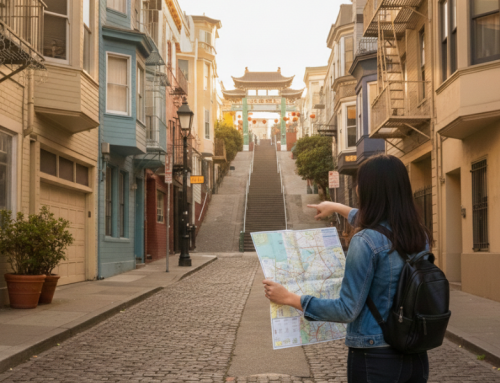
Start in North Beach, the historic Italian quarter, where you can linger over an espresso at a sidewalk cafe. Walk a few blocks and you are suddenly in Chinatown, the oldest and one of the largest in North America, with herbal shops and dim sum spilling onto the sidewalks. Keep going and the skyscrapers of the Financial District rise around you. This kind of rapid transformation is nearly impossible to appreciate from inside a car, which is exactly why the sidewalk is the better vehicle here.
The Hills Are a Feature, Not a Flaw
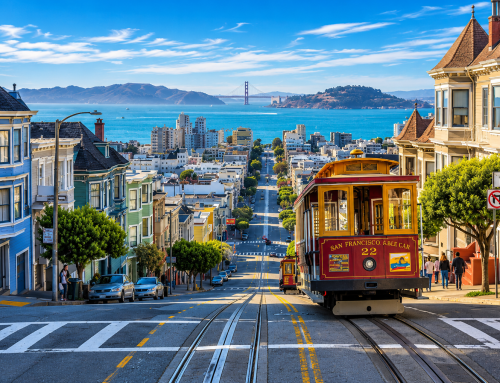
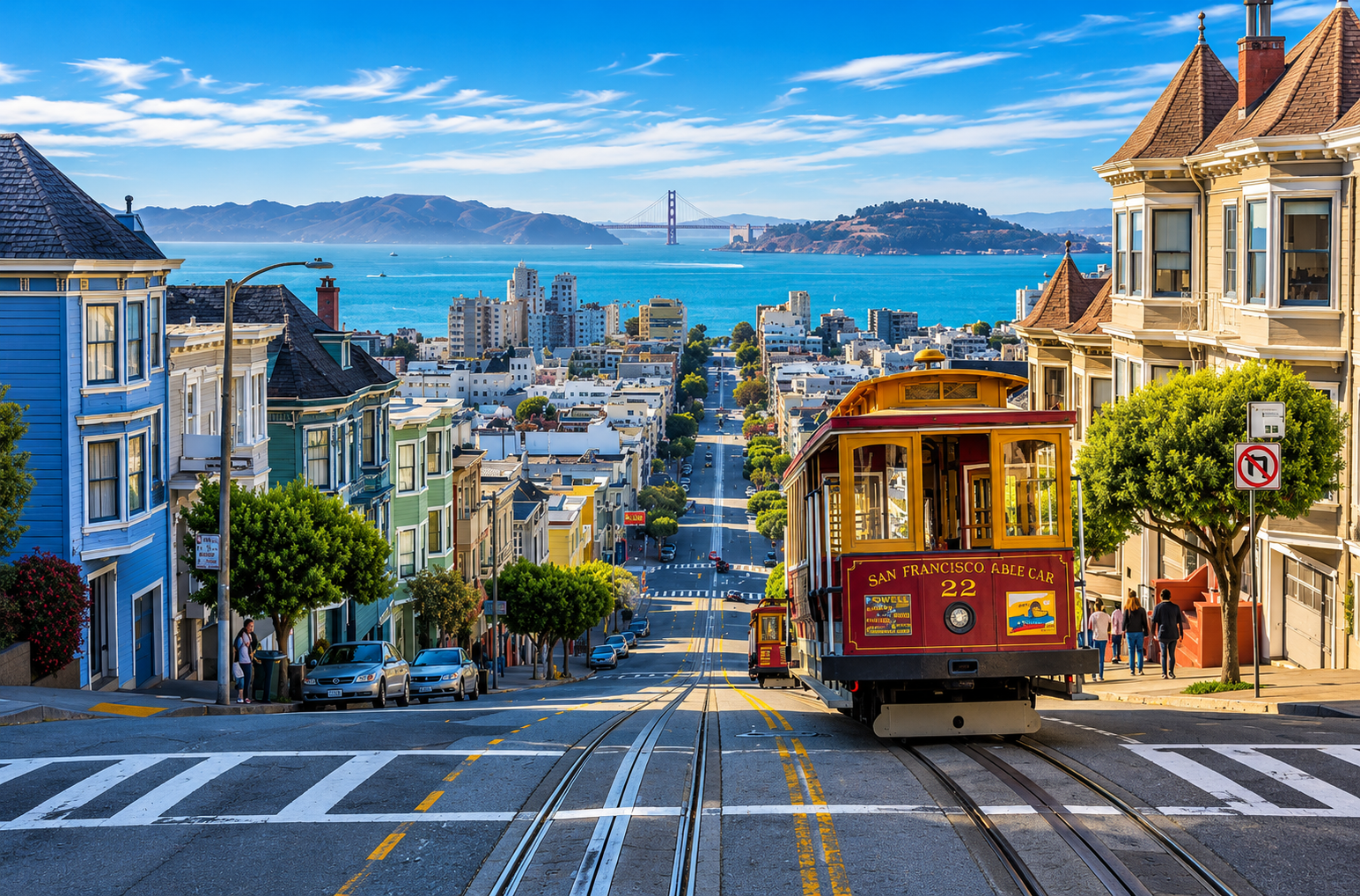
Let us address the obvious concern. San Francisco is famously hilly, and some of those inclines are steep enough to make your legs burn. But the hills are part of what makes the city so rewarding on foot. They create the dramatic views, the sudden reveals of the bay glinting between buildings, and the sense that you have earned the scenery at the top.
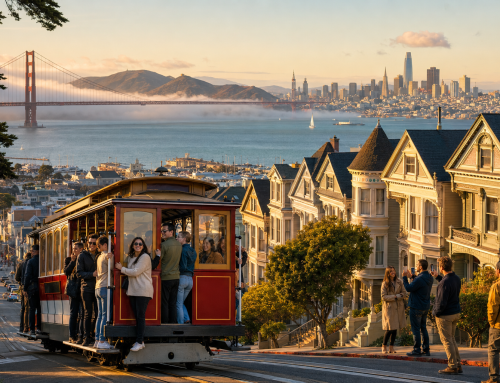
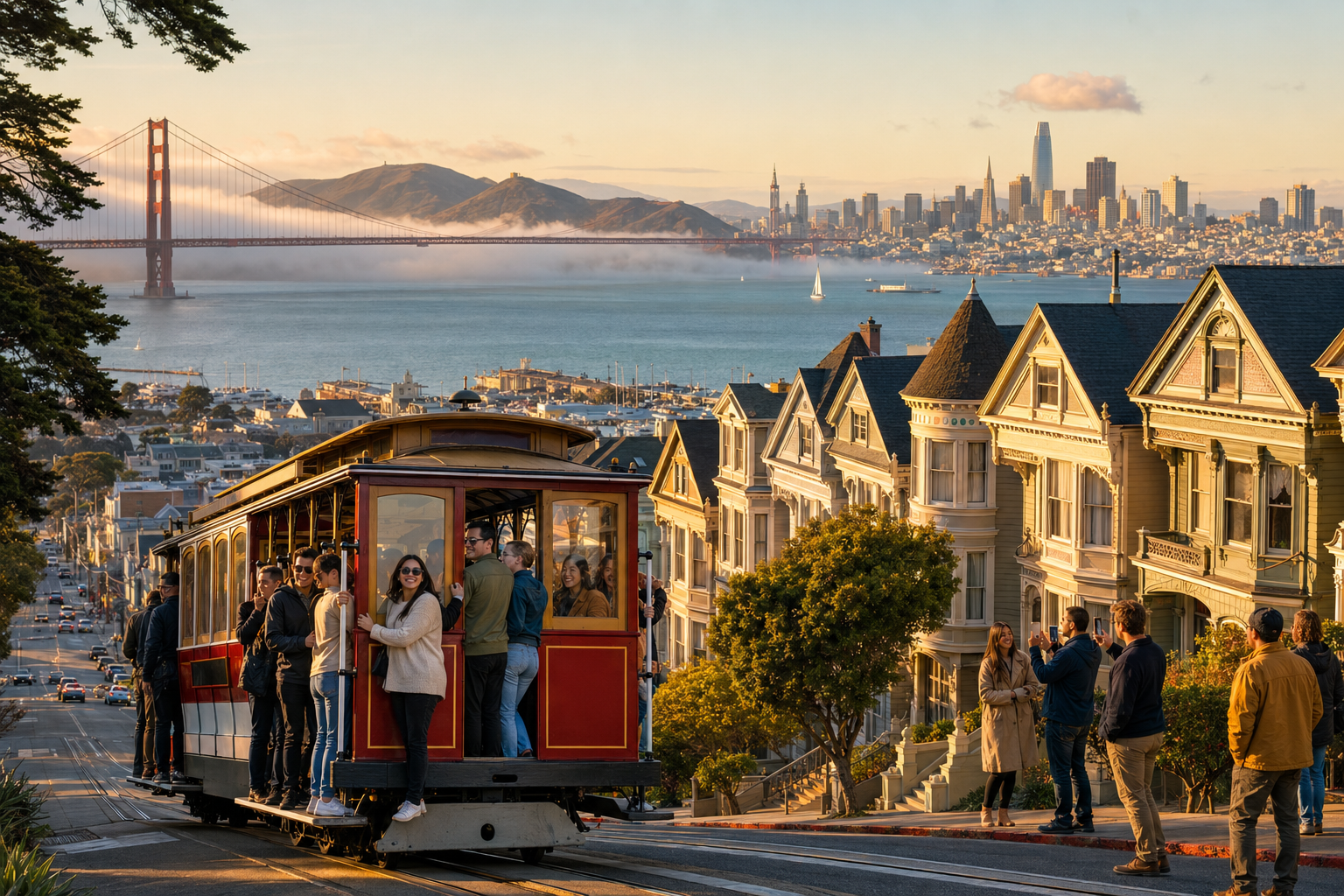
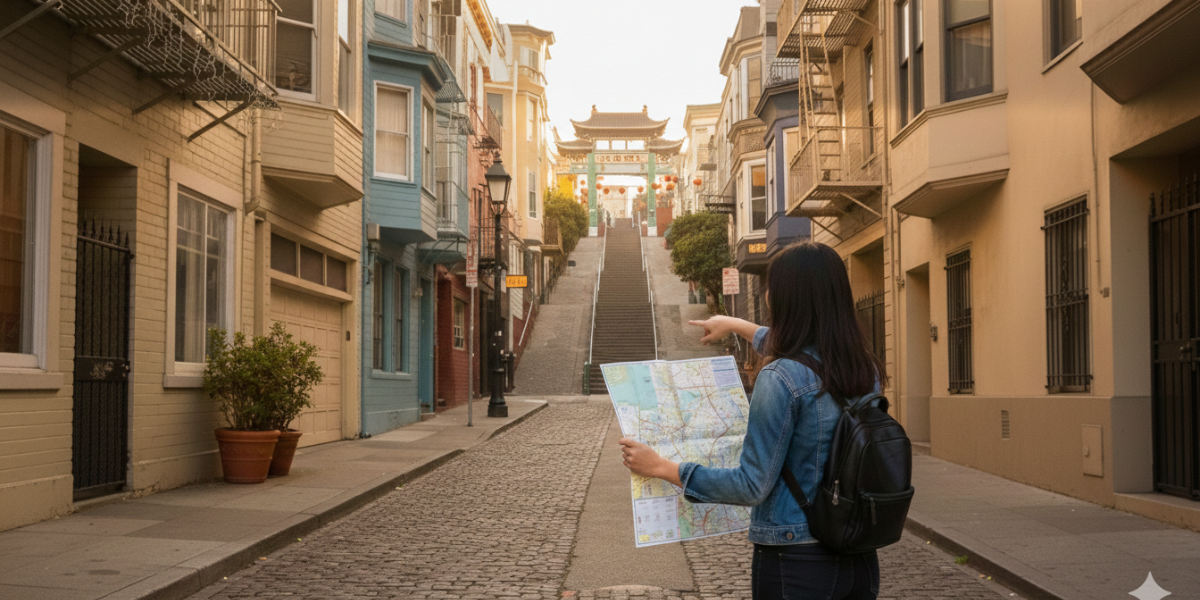
There are also smart ways to work with the terrain rather than against it. Many locals plan routes that climb gradually and descend steeply, saving the knees on the way down. The city is dotted with public stairways, some of them beautifully tiled and lined with gardens, that turn a difficult climb into a highlight. And when a hill truly defeats you, the famous cable cars are ready to carry you up the worst of it, blending transit with sightseeing.
The Best Walk of All: The Golden Gate Bridge
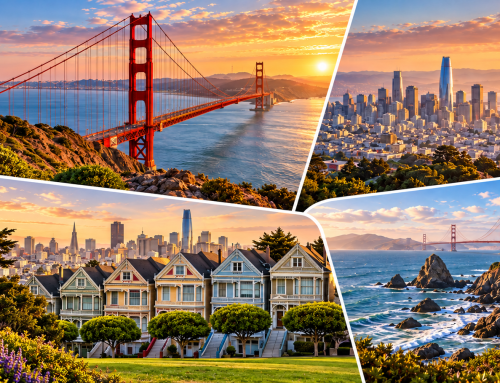
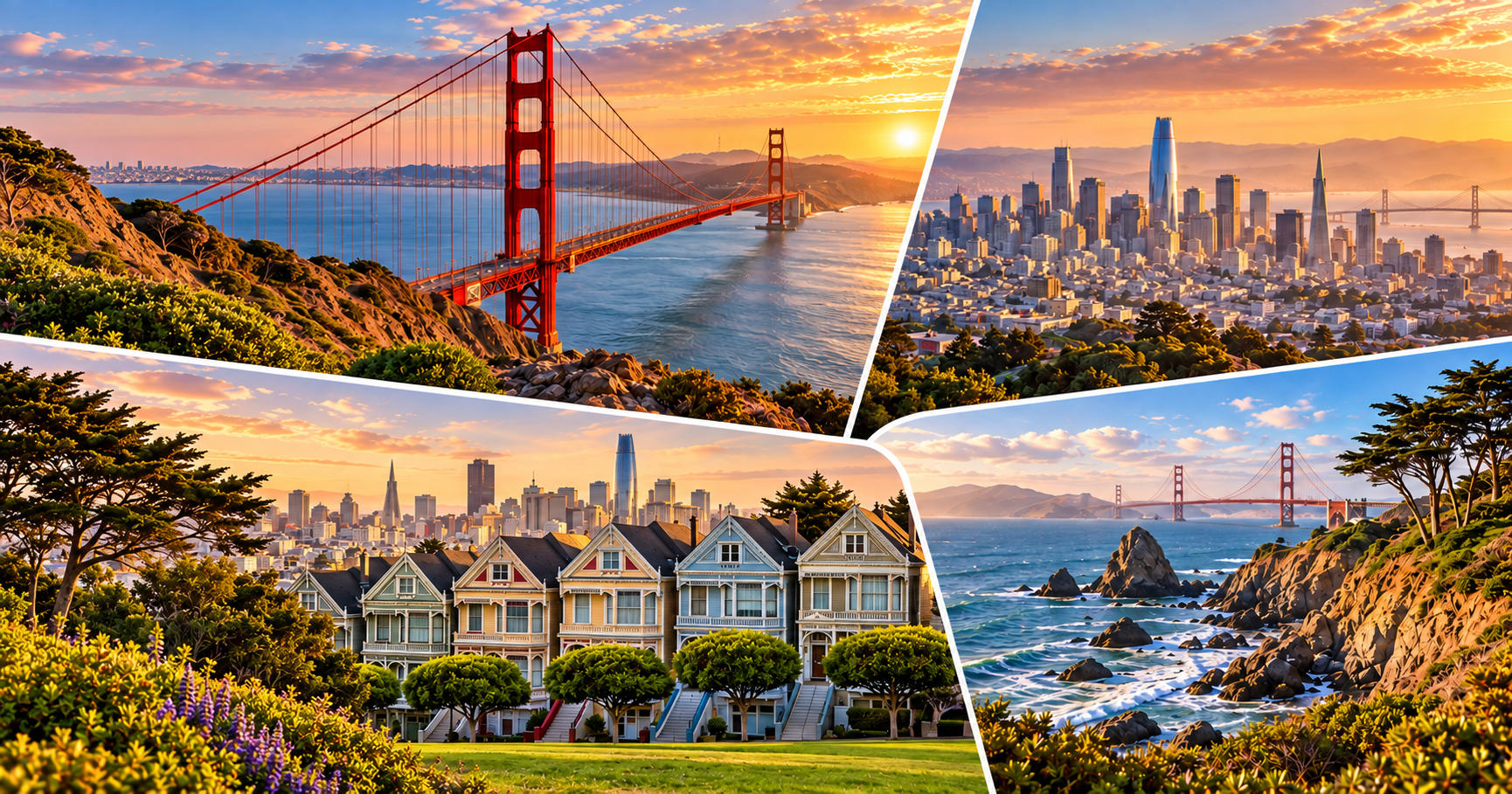
No walking tour of the city is complete without crossing the Golden Gate Bridge on foot. The bridge has dedicated pedestrian pathways, and the walk from the San Francisco side toward the Marin Headlands is one of the most spectacular urban walks anywhere in the world. The span stretches nearly two miles round trip, giving you time to feel the wind, watch the ships pass beneath, and understand the sheer scale of the structure in a way no photo captures.
Dress warmly, because the bridge generates its own weather and the fog can roll in fast even on a sunny day. Morning tends to offer the clearest views before the marine layer builds. Whether you cross the full span or simply walk to the first tower and back, this stretch is the single best argument for why walking around San Francisco beats any other way of seeing it.
The Hidden Gems You Only Find on Foot
The strongest case for walking around San Francisco is everything you miss when you do not. The city is riddled with discoveries that are invisible from a car window and unreachable by transit. The famous Filbert Steps climb Telegraph Hill through lush gardens where wild parrots often gather, ending at the base of Coit Tower. The 16th Avenue Tiled Steps in the Sunset district turn an ordinary staircase into a sweeping mosaic of sea and sky.
Then there are the murals of the Mission District, where entire alleys like Balmy and Clarion have been transformed into open-air galleries of political and cultural art. You could pass all of these within a few feet and never know they existed if you were not on foot. This is the quiet magic of the city, and it belongs entirely to the walker.
When You Do Need Transportation Options
Walking is the heart of a San Francisco adventure, but nobody expects you to cover the entire city on foot. The good news is that the transportation options fill in the gaps beautifully, and most of them are experiences in their own right.
The Muni system combines buses, light rail, and historic streetcars, including the vintage F line that runs colorful antique trolleys along the Embarcadero. BART connects the city to the wider Bay Area and the airport, which makes it the easy choice straight from the terminal. The cable cars, while slow and often crowded, are a joy for the ride itself. Rideshare and taxis are everywhere for those times when you are tired, running late, or facing one hill too many. A reloadable Clipper card ties most of these systems together into a single tap to pay experience, which saves both time and fumbling for change. The trick is to treat these tools as support for your walking rather than a replacement for it.
Practical Tips for Walking the City
A few small choices make a big difference. Wear genuinely comfortable shoes with good grip, because the hills and the occasionally slick sidewalks are not kind to fashion footwear. Dress in layers, since a single day can swing from bright sun to chilly fog within an hour. Carry water, and do not underestimate how much a full day of hills can wear you down.
Plan loose routes rather than rigid schedules. The joy of walking around San Francisco lies in the detours, the unexpected mural, the tiny bookstore, the staircase that leads to a hidden viewpoint. Give yourself permission to wander, and keep your phone charged for both maps and photos. Safety awareness matters too, as it does in any large city, so stay alert to your surroundings and keep valuables secure.
The Verdict for First-Time Visitors
If you take one piece of advice into your trip, let it be this. Do not rush from attraction to attraction sealed inside a car. San Francisco reveals itself in the spaces between the famous sights, in the smell of fresh sourdough, the sound of a cable car bell, and the sudden view of the bay from the crest of a hill.
For first-time visitors, walking is not the difficult option. It is the whole point. Lace up your shoes, pick a direction, and let one of America’s most walkable cities unfold one block at a time.